In March 2026, a unit at 311 E Erie St went under contract in a single day and closed two percent over asking. A few blocks away at 509 E Erie St, a similar-sounding condo took seventeen days to sell in April and closed eighteen percent under list. Meanwhile, a smaller unit at 106 W Seeboth St sat on the market for 129 days before closing at $292,000, seven percent below what the seller wanted. Another at 102 N Water St took 92 days to find a buyer at $389,000.
All four sales happened within the same historic district, in the same calendar year, often within walking distance of each other. If you pulled the price per square foot on each one, you'd get numbers ranging from roughly $250 to $592. That is not a rounding error. That is two different markets wearing the same zip code.
The Number Everyone Quotes, and Why It Doesn't Hold
If you've been comparing Third Ward listings online, you've probably seen a median price somewhere between $420,000 and $499,000, depending on which site you checked and which month it pulled. One tracker had it near $420,000 in February. Another put it closer to $450,000 in early 2026. By August, a different source had it at $499,000. These aren't typos. They're different samples of a district that doesn't behave like one market.
For comparison, Milwaukee's citywide median sale price per square foot has been sitting around $161 in recent months. The Third Ward's range of $250 to $592 tells you the district commands a real premium over the rest of the city, but the width of that range tells you something more useful: within the Third Ward itself, the address is doing almost none of the pricing work. The building is.
That matters right now because the broader Milwaukee market has been loosening. Metro MLS reported new listings up 20.7 percent and total inventory up 22.1 percent for April 2026 compared to a year earlier, with the metro-wide median price rising a modest 2.8 percent to $370,000. That's a market gradually handing buyers a little more room to negotiate. But a well-positioned Third Ward unit still closed in a single day at asking this spring, while a comparable one down the street sat for over four months and took a real haircut. A softening market doesn't erase the gap between a well-run building and a poorly documented one. If anything, it widens it, because buyers with more choices get pickier about which building they're willing to commit to.
Three Buildings, Three Different Products
Walk the Third Ward and you're not looking at one housing type. You're looking at three, sometimes stacked on the same block.
The Waterfront, a four-story building completed in 2004 and designed by architect Peter Renner, holds 64 units along the Milwaukee River with private boat slips and heated underground parking. Its one-bedroom units alone span from just under 1,000 square feet to nearly 2,800 square feet, with prices spanning from the high $300,000s past $1.1 million. That's not neighborhood variance. That's the same building producing wildly different products depending on floor, view, and layout.
A few blocks over, River Renaissance, a seven-story building completed in 2007, holds 79 units and a rooftop terrace with river and skyline views. Across the river in East Town, Kilbourn Tower rises 42 stories, designed by La Dallman Architects and completed in 2005, with sweeping Lake Michigan views from its 74 units. Three buildings, three eras of construction, three very different sets of mechanical systems, reserve obligations, and resale expectations, all within a short walk of the same public market and the same streetcar stop.
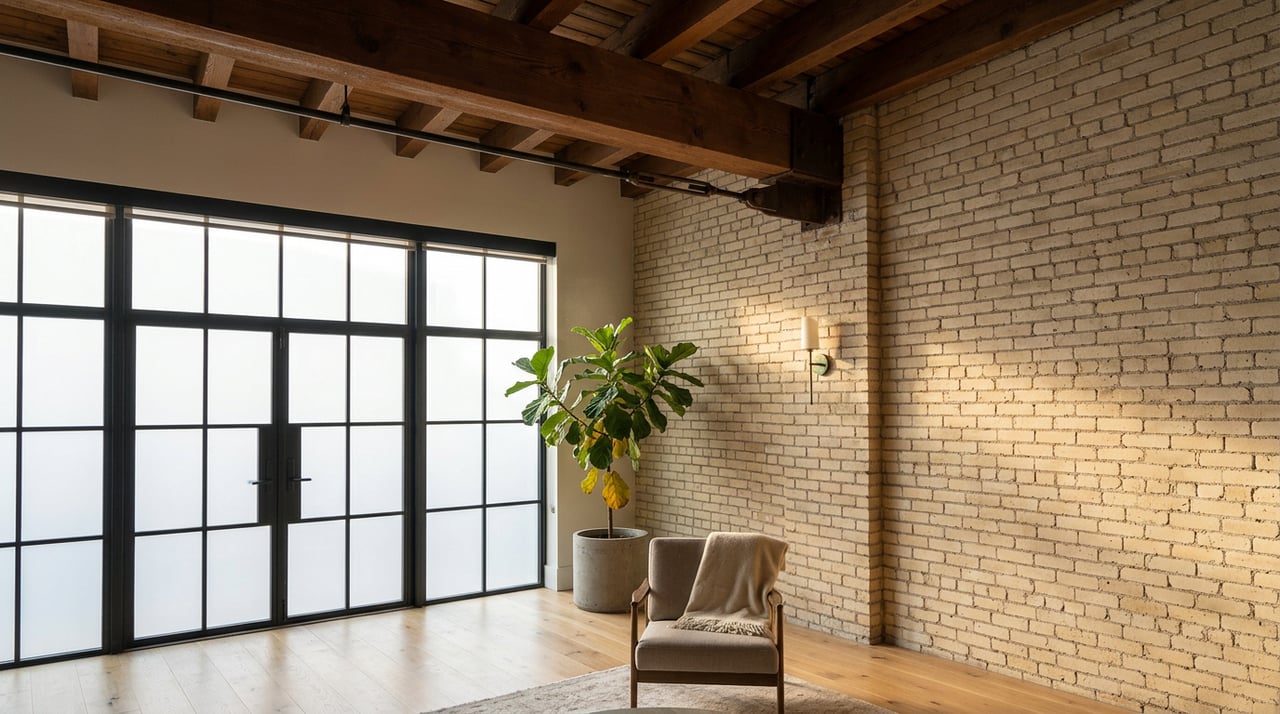
This is why a buyer comparing two listings by price per square foot alone is comparing very little. A converted warehouse loft with exposed timber and original masonry carries different maintenance realities than a 2000s mid-rise, which carries different realities than a purpose-built tower with a full-time concierge staff. The finish level in a listing photo doesn't tell you which of these three you're actually buying into.
What a Reserve Fund Actually Predicts
Here's where the real risk hides, and it rarely shows up in a listing description.
One downtown condo owner described watching their monthly association fee jump from $200 to $250, a 25 percent increase, after the board went out for bids on a new roof and discovered the reserve fund couldn't cover it. That's the mechanism in miniature. A building can look immaculate in photos and still be one roof, one elevator, or one parking deck repair away from a special assessment that lands on whoever happens to own a unit when the bill comes due.
Wisconsin's condominium framework requires associations to maintain governing records, but it doesn't require every building to have run a professional reserve study or to have funded it adequately. That's a decision each board makes on its own, year to year. Before you write an offer in the Third Ward, the documents worth requesting are the budget, the reserve fund balance, recent board meeting minutes, and any history of special assessments or planned capital projects. A building with heavy timber construction or board-formed concrete, common in the district's original warehouse conversions, tends to carry more building-specific mechanical quirks than a newer tower, which makes that paperwork even more worth reading closely rather than skimming.
Parking Is Not Automatic
One more variable that shifts both cost and resale value: how a unit's parking is legally classified. In Wisconsin condominiums, a parking space can be a common element shared by all owners, a limited common element assigned to one unit, or an individually owned space with its own deed. Those are three different levels of ownership, and marketing language doesn't always spell out which one applies.
In the Third Ward specifically, public parking structures at 212 N. Milwaukee St. and 225 E. Chicago St. supplement whatever a building offers, and street parking runs free after 6 p.m. on weekdays, free on Saturdays with time limits, and free all day Sunday. That's useful to know if you're weighing a unit without a dedicated stall. But it's not a substitute for confirming, in writing, whether the space that came up in your building tour is actually yours to keep, lease, or lose.
What This Means If You're Actually Shopping Right Now
A few questions worth asking before you get attached to a unit:
- What year was this building converted or constructed, and what was it originally built for?
- What does the reserve fund balance look like against the association's most recent capital projects list?
- Is the parking space deeded, a limited common element, or leased, and what happens to it if you sell?
- Has the building had a special assessment in the last five years, and is one being discussed now?
None of these questions show up in a median price. All of them show up in the closing statement, one way or another.
A Few Questions Buyers Ask Directly
Does a lower price per square foot mean a better deal in the Third Ward? Not on its own. A unit priced low per square foot may reflect a building with weaker reserves, older mechanicals, or a less desirable layout rather than an actual discount. The two need to be evaluated together.
How do I find out if a building's reserve fund is healthy before I make an offer? Request the association's budget, reserve balance, and recent meeting minutes as part of your offer contingencies. These documents typically reveal whether a roof, elevator, or facade project is already being discussed.
Is parking guaranteed with a Third Ward condo? No. Confirm in the condo declaration whether the space is deeded to the unit, a limited common element, or a separate lease, since each carries different rights and different resale implications.
If you're weighing a Third Ward loft against a newer tower or trying to make sense of why two listings a block apart carry such different price tags, that's exactly the kind of comparison worth working through with someone who reads these buildings for a living. Brandon Tyler has spent over a decade in Milwaukee's luxury condo market, including hands-on property management inside two of the city's high-rise buildings, and can walk you through what a specific building's documents actually say before you write an offer. Let's Talk.